Drain issues can start small but quickly turn into messy and expensive plumbing problems. Slow drains, foul odors, gurgling sounds, and frequent backups are all signs that your system needs professional attention. That’s where drain cleaning & rooting comes in.
Drain cleaning removes blockages from pipes, while rooting targets stubborn tree roots that invade sewer lines and restrict water flow. Together, these services restore proper drainage, prevent major backups, and protect your plumbing system from long-term damage.
This guide explains how drain cleaning and rooting work, what causes clogs, what methods plumbers use, and how to prevent future drain problems.
What Is Drain Cleaning & Rooting?
Drain cleaning is the process of clearing debris, grease, soap buildup, and other materials from plumbing lines. Rooting is a specialized technique used to remove tree roots that grow into sewer pipes through small cracks or joints.
Many homeowners confuse rooting with standard drain cleaning, but rooting is often required when blockages keep returning or when sewer line flow is restricted due to root intrusion.
Drain cleaning & rooting is commonly used for kitchen drains, bathroom drains, main sewer lines, and commercial plumbing systems.
Common Causes of Drain Clogs
Drain blockages happen for many reasons, and identifying the cause helps choose the best cleaning method.
Grease buildup is one of the most common causes of kitchen drain clogs. Over time, grease hardens inside pipes and traps food particles.
Hair and soap residue are major causes of bathroom drain problems. Hair collects in pipe bends and mixes with soap scum to create thick clogs.
Foreign objects like wipes, paper towels, feminine products, and small toys can block toilets and main lines.
Mineral buildup can occur in older pipes, especially in areas with hard water, gradually reducing water flow.
Tree root intrusion is a serious cause of sewer line blockage. Roots search for moisture and can enter sewer lines through tiny cracks, eventually creating a dense blockage.
Signs You Need Drain Cleaning & Rooting
Drain problems often give early warning signs before becoming major backups.
Slow drains in sinks, tubs, or showers usually indicate a developing clog.
Recurring clogs, even after using a plunger or drain cleaner, suggest a deeper blockage in the line.
Gurgling sounds from drains often mean air is trapped due to restricted flow.
Bad odors from drains can be caused by rotting debris or sewage buildup.
Water backing up into sinks, tubs, or floor drains is a strong sign of a serious clog in the main line.
Wet patches in the yard or sewage smell outside may indicate root intrusion or sewer line damage.
If multiple drains clog at the same time, the main sewer line is often the problem.
How Drain Rooting Works
Rooting is a plumbing technique used to cut and remove tree roots inside sewer lines. Professional plumbers use specialized equipment to break up root masses and clear the pipe without damaging it.
A common rooting tool is a drain auger with a rotating blade that cuts through roots and pulls them out. In severe cases, hydro jetting may be used to blast roots and debris out of the line using high-pressure water.
Rooting is especially useful for older sewer systems where tree roots have been growing for years.
Drain Cleaning Methods Used by Professionals
Professional drain cleaning is more effective than store-bought solutions because it removes the clog completely instead of just pushing it deeper.
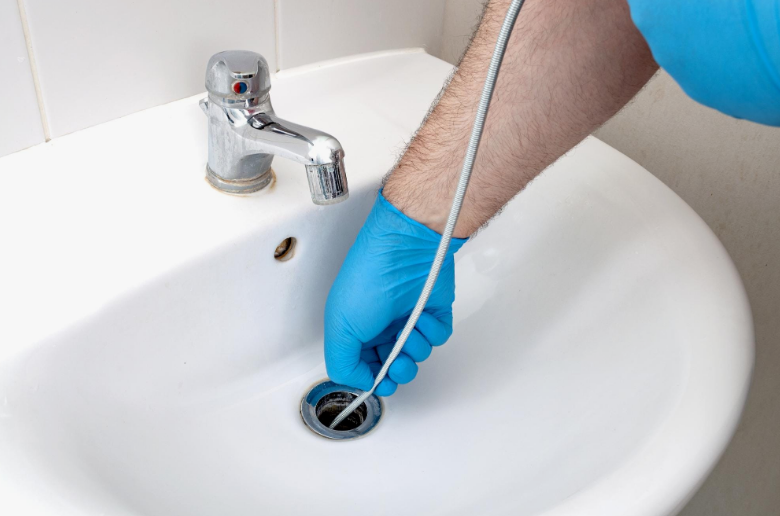
Snaking is one of the most common methods. A drain snake is inserted into the pipe to break up and pull out clogs.
Auger cleaning is used for tougher clogs and deeper blockages. It has stronger cutting heads that can remove debris and roots.
Hydro jetting uses high-pressure water to clean the inside of pipes. It removes grease, sludge, mineral buildup, and even root debris. This is one of the most powerful drain cleaning solutions available.
Camera inspection is often used before or after cleaning to identify blockage location, pipe damage, or root intrusion.
Drain Cleaning vs Rooting: What’s the Difference?
Drain cleaning focuses on clearing common clogs caused by grease, soap, hair, and debris. Rooting is specifically designed to remove tree roots that invade sewer pipes.
If your clog keeps coming back, it may not be a simple blockage. Root intrusion can cause repeated backups until the roots are fully removed.
Many plumbing companies combine both services to restore full pipe flow and prevent future blockages.
Why Root Intrusion Happens in Sewer Lines
Tree roots naturally grow toward moisture sources. Sewer lines carry water constantly, making them attractive to roots.
Roots enter pipes through:
- small cracks
- loose pipe joints
- aging clay or cast iron lines
- shifting soil that separates pipe sections
Once roots enter, they expand and trap waste, grease, and debris. Over time, the blockage becomes severe and may lead to pipe collapse.
Benefits of Professional Drain Cleaning & Rooting
Professional cleaning provides long-term results compared to DIY solutions.
It restores proper water flow and reduces slow-draining issues.
It prevents sewage backups that can damage flooring and walls.
It removes odor-causing bacteria and waste buildup.
It helps detect pipe problems early through camera inspection.
It reduces the risk of major sewer line repair by removing roots before they cause pipe breakage.
It improves overall plumbing efficiency and prevents repeated clogs.
Residential Drain Cleaning & Rooting
Homes often face drain problems in bathrooms, kitchens, and laundry areas. Residential drain cleaning helps remove everyday buildup and prevents backups.
Rooting is commonly required when the main sewer line is affected by trees in the yard. If the same drain clogs repeatedly, root intrusion is often the cause.
Routine drain cleaning can prevent costly emergencies and extend the life of the plumbing system.
Commercial Drain Cleaning & Rooting
Commercial properties experience heavier plumbing usage, making drain cleaning more frequent. Restaurants, hotels, and office buildings often deal with grease buildup and large drain systems.
Rooting is also common in commercial sewer lines, especially in older buildings or areas with large landscaping.
Professional drain cleaning helps businesses avoid downtime, health hazards, and costly repairs.
How Often Should You Schedule Drain Cleaning?
Preventive drain cleaning is recommended even if you don’t have major clogs.
For most homes, a yearly cleaning is enough to maintain healthy drainage.
For restaurants and high-use commercial properties, cleaning may be needed every few months to prevent grease buildup.
If your property has frequent root intrusion issues, rooting may be needed annually or as recommended after inspection.
DIY Drain Cleaning: Is It Safe?
Basic clogs can sometimes be cleared with a plunger or simple drain snake. However, chemical drain cleaners are risky. They can damage pipes, harm septic systems, and create dangerous fumes.
DIY methods may not solve deep blockages, and forcing the clog can make it worse. If multiple drains are affected or sewage is backing up, professional service is the safest option.
Preventing Future Drain and Root Problems
Preventive steps can reduce the risk of clogs and root intrusion.
Avoid pouring grease or oil down the drain. Dispose of grease in a container instead.
Use drain strainers to catch hair and food debris.
Flush only toilet paper. Avoid wipes, paper towels, and hygiene products.
Schedule routine professional cleaning for long-term maintenance.
Trim trees near sewer lines if root intrusion is a repeated issue.
Consider hydro jetting as a long-term solution for heavy buildup.
Use camera inspections periodically if you live in an older home with aging pipes.
When Drain Rooting Isn’t Enough
Rooting removes existing roots, but it does not permanently stop roots from returning. If the sewer pipe has cracks or damaged joints, roots will likely come back.
In severe cases, pipe repair or replacement may be required. Trenchless sewer repair methods may be used to restore pipes without major digging.
A professional plumber can recommend whether repeated rooting is enough or if long-term repair is needed.
FAQs
What is rooting in plumbing?
Rooting is the process of cutting and removing tree roots from sewer or drain lines using specialized equipment.
How do I know if roots are in my sewer line?
Common signs include frequent backups, slow drains, gurgling sounds, and sewage odors.
Is hydro jetting better than snaking?
Hydro jetting is more powerful and cleans pipe walls thoroughly, while snaking is best for breaking up basic clogs.
Can I use chemical drain cleaner for clogs?
Chemical cleaners may damage pipes and are not recommended for repeated or serious clogs.
How long does professional drain cleaning take?
Most drain cleaning jobs take 30 minutes to 2 hours depending on clog severity.
How much does drain cleaning and rooting cost?
Cost depends on the blockage type, pipe length, and equipment needed, but rooting usually costs more than basic cleaning.
Will tree roots grow back after rooting?
Yes, roots can return if the pipe has cracks or openings. Routine maintenance or pipe repair may be needed.
How can I prevent drain clogs in the future?
Avoid grease buildup, use drain strainers, flush only toilet paper, and schedule routine cleaning.
Conclusion
Drain cleaning & rooting is one of the most important plumbing services for preventing backups and protecting sewer lines. Regular cleaning clears buildup from everyday use, while rooting removes tree roots that can cause repeated blockages and serious damage.
If you notice slow drains, recurring clogs, or sewage odors, professional inspection and cleaning can restore proper flow and prevent costly plumbing emergencies. Regular maintenance is always cheaper and safer than waiting for a major backup or sewer line failure.