How Water Heater Purification Systems Work to Improve Water Quality
Hot water is part of daily life, whether for showering or washing dishes. Nevertheless, what is in that water seems to be neglected by a large number of homeowners. Over time, minerals, sediments, and contaminants may deposit, and this will interfere with the quality of water and the performance of the appliances. And here, a water heater filtration system is a necessity. Companies such as Complete Plumbing offer suitable ways of purifying hot water to help homeowners enhance the quality of water and, at the same time, avoid damage to their pipelines.
What Is a Water Heater Filtration System?
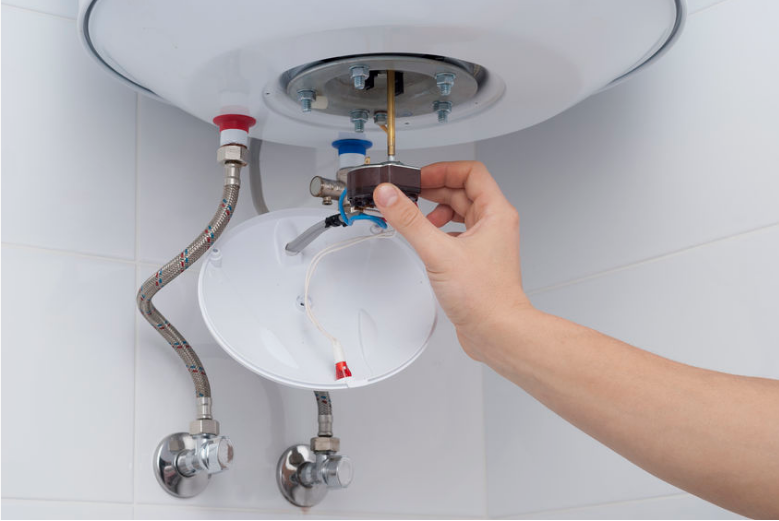
A water heater filtration system is specific to filter water prior to or just before it flows to your water heater to clean it up. These systems are used to eliminate sediment, minerals, and other contaminants that may hang on the inside of the tank.
These systems also target the quality of hot water as opposed to the capacity of conventional filtration systems, which are geared towards drinking water. They make sure that the water that is used in bathing, cleaning, and domestic chores is cleaner and safer.
These systems make it easier to maintain your water heater and extend its lifespan by ensuring the quality of the water at the source and decreasing maintenance requirements.
Why Hot Water Needs Filtration
Surprisingly, many believe that it is cleaner when it is heated. Factually, heat cannot extract contaminants. Rather, it may exacerbate some of the problems by agglomerating minerals in the creation of scale within the heater.
In case of unfiltered hot water, the result is:
- Mineral buildup inside the tank
- Reduced heating efficiency
- Unpleasant odors
- Dryness of skin and hair.
- Damage to plumbing fixtures.
That is why it is important to purify water to make hot water. A filtration system will eliminate the impurities before it involves complications in the long term.
How Water Heater Filtration Systems Work
Water heater filtration systems are usually accomplished in stages, where each stage is aimed at eliminating certain contaminants.
Sediment Filtration
The initial phase eliminates the visible elements like sand, dirt, rust, and so on. This will eliminate the possibility of the debris accumulating in the water heater tank.
Carbon Filtration
Activated carbon filters are used to take away chlorine, odors, and organic compounds. This enhances the smell and taste of water and softens the skin and hair.
Scale Prevention
Some systems contain minerals that filter out hard materials such as calcium and magnesium. Such minerals cause the deposition of the scales in the heater.
Final Filtration Stage
More filters can be centrifuged in high-tech systems to extract even smaller or residual impurities, creating cleaner hot water in houses.
All these steps enhance the general quality of water and safeguard your plumbing system.
Benefits of Installing a Water Heater Filtration System
A water heater filtration system would have many long-term benefits to homeowners.
The water is cleaner, and this enhances comfort when the water is used in everyday activities, particularly bathing and laundry. It also assists in eliminating the accumulation of the scales, which, in the long run, tends to lower the efficiency of your water heater.
Water is filtered so that it minimizes wear and tear on appliances like dishwashers and washers. It also reduces the chances of blocked pipes and broken pipes.
By properly treating water with hot water, the overall outcome is reduced water turbidity, odor, and general performance of the system for the homeowner.
Signs You Need Water Purification for Hot Water
Some water problems cannot be detected immediately, but some clues suggest that they require filtration.
The water may be excessive in minerals or other contaminants in your hot water; it may either have a weird smell, or it may be cloudy or leave grease in the fittings. Lower efficiency of a water heater or strange sounds originating in the tank can also be indications of sediment accumulation in the tank.
Grey hair and soap that fails to lather well are other signs of hard or polluted water. With an appropriate filtration system, these problems can be resolved.
Professional Installation vs DIY Systems
Although filtration units can also be installed on their own, a professional installation will guarantee their maximum functionality and expectancy of operation.
To keep the correct plumbing system in a compatible position with the plumbing of the home, a professional plumber checks the quality of your water, chooses a suitable system, and installs it appropriately. This will minimize the chances of leakage, inadequate filtration, or failure of the system.
It costs companies such as Complete Plumbing to install and maintain the filtration systems on water heaters; hence, they can give the most efficient system to the homeowners.
Maintenance Tips for Long-Term Performance
Filtration units, like any other system, need to be well-maintained.
The filters must also be changed at regular intervals to avoid clogging and to ensure efficiency. Regular checks will be used to detect any problems in time and guarantee a good level of water quality.
Not only does proper maintenance make your water heater and filtration system last longer, but it also enhances the performance.
Final Thoughts
An inexpensive option that could be a viable investment to enhance the quality of the water and to eliminate corrosion of the plumbing at your house is a water heater filtration system. These systems reduce impurities and eliminate the formation of minerals, thus making them comfortable and efficient.
By partnering with the knowledgeable and prompt assistance of Complete Plumbing, homeowners will be in a position to provide effective water purification of the hot water and provide safer and cleaner water within their homes. Adequate filtration enhances everyday living in addition to minimizing the costs of maintenance in the long run.
FAQs
1. What is the use of a water heater filtration system?
It stores and sifts water and dissolves sediment, minerals, and other water pollutants, after which it is taken through a heater to refine the quality and functionality of water and the system.
2. Is water purification for hot water necessary?
Well, it not only helps to stop the formation of the scale but also enhances the water clarity and preserves appliances and plumbing.
3. What should be the frequency of replacement of filters?
Replacement of the filters is determined by the use and quality of the water, although every few months or even years.
4. Can filtration improve water heater efficiency?
Yes, the deposition of sediment and mineral is removed, and the heater is more efficient and lasts longer.
5. Is it necessary to contract an installer?
Professional installers ensure good performance, proper installation, and long life of the filtration system.