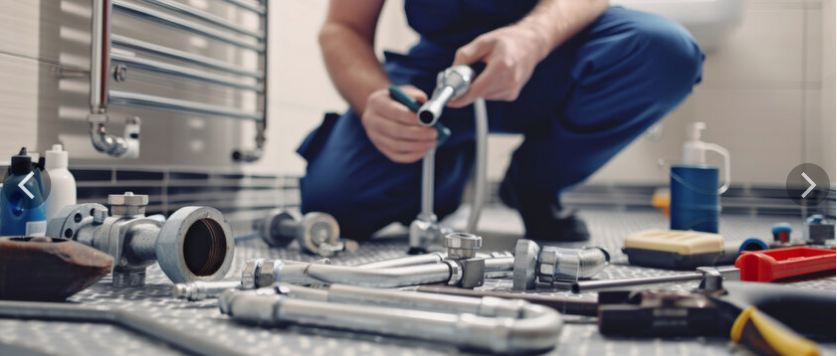
Upgrading your home plumbing is an effective way to improve functionality and aesthetic appeal. Whether you are remodeling a bathroom or simply replacing an aging faucet, understanding the types of plumbing fixtures available is essential for making informed decisions. Selecting the right components ensures that your system remains reliable and efficient for years to come.
Understanding the Plumbing Fixtures, the Basics.
A plumbing fixture is an exchangeable device connected to the plumbing system for delivering and using water. From the kitchen sink to the showerhead, these items are the visible parts of your home infrastructure. Choosing the right fixtures requires balancing your specific needs with long-term durability.
Common Types of Plumbing Fixtures
When you begin your search, you will encounter various categories of fixtures designed for specific functions. Identifying the right category would help you to simplify your selection process.
- Kitchen and Bathroom Faucets: These are essential for water delivery and come in various configurations such as single handle, double handle, or touchless models.
- Sinks and Basins: Available in materials ranging from stainless steel to porcelain, these must be chosen based on usage, frequency, and counter space.
- Showers and Bathtubs: These fixtures often represent the most significant investment in a bathroom renovation and impact both water pressure and comfort.
- Toilets: Modern toilets prioritize water efficiency and flushing technology, making them a key consideration for eco-friendly home upgrades.
Selection of the right materials
The longevity and performance of your plumbing depend heavily on the materials used. As a part of your plumbing fixtures material guide, consider the following common options.
- Stainless Steel: Highly durable and resistant to corrosion, this is an excellent choice for high-traffic kitchen areas.
- Brass: Known for its strength and classic look, brass is often used for high-quality faucets and valves.
- Ceramic and Porcelain: These are standard for toilets and sinks due to their non-porous surfaces, which are easy to clean and maintain.
- Composite Materials: These offer versatility in design and are often used in modern custom-fit sink installations.
Making the right choice for your home
Before the final purchase, assess the specific demands of your household to avoid common mistakes of choosing a fixture based solely on appearance without considering the functional requirements.
- Assess intent: Determine if you are looking for a basic solution for the guest bathroom or a high-performance fixture for your primary kitchen.
- Consider maintenance: Tool materials that match your ability to clean and maintain them over time. Verify compatibility. Ensure that any fixture is compatible with your home’s existing plumbing connections to avoid unnecessary installation costs.
- Quality: By focusing on quality and compatibility, you can ensure that your plumbing upgrades provide both immediate convenience and lasting value for your home. For professional guidance or assistance with complex installations, remember that expert support is always the best way to protect your home investment.
Evaluating your needs, quality, and performance:
When selecting from the various types of plumbing fixtures, you should prioritize the components that align with your lifestyle and usage-related patterns. If your household is busy, you should invest in high-quality plumbing fixture materials such as solid brass and high-grade stainless steel, which could prevent common issues like corrosion and leaks that often cause blockage in cheaper alternatives. By doing the evaluation of your needs, you can shift from merely aesthetic-based preferences to a solution-based approach that could fix the plumbing-related challenges at your property smoothly.
Planning your installation
Before heading towards stores to browse online catalogs, it’s helpful to understand the scope of your project. Proper planning would prevent common physical installation mistakes regarding ignoring the technical compatibility.
- Measuring your space: First of all, verify the dimensions of your existing fixtures before purchasing the replacement to ensure that you purchase the perfect fit.
- Consult with professionals: If you are unsure about the installation process, reaching out to an expert would be the best decision, as they would help you to understand the industry standards that are compliant with the review warranty and quality. Always search for manufacturers that provide clear guarantees, as this is a core indicator of product trustworthiness.
The role of professional installation:
In many scenarios, high-quality fixtures can fail if they are not installed in a correct way. Relying on professional services like complete clumping would ensure that your New hardware integrates seamlessly with your existing infrastructure. Professional technicians would bring the necessary expertise for handling complex tasks such as ensuring proper water flow and hence preventing future leaks.
- Expertise: The team provides detailed, technically oriented, and accurate installations that adhere to local building codes.
- Trustworthiness: stand by work with transparent pricing and reliable service, hence ensuring that you get the most value for your investment.
- Experience: prefer sharing real-world insights from past projects, which would help you to avoid the pitfalls of DIY errors that can often lead to costly repairs.
Conclusion:
Ultimately, the goal of any plumbing upgrade should be to improve your daily experience while maintaining the value of your property. By focusing on high-quality plumbing fixture materials and selecting the right types of plumbing fixtures, in accordance with the home layout, you can turn the necessary maintenance task into a long-term home improvement success. If you need support with your next project, the experts at Complete Plumbing are here to provide the guidance you need with expert labor, hence ensuring that every fixture is installed to last.